Discovering the Real Magic of Nara’s Sacred Deer
- Kana
- Apr 15
- 3 min read

When most people think of Nara, they picture the adorable sika deer bowing in the park. And yes, they’re incredibly charming! But those friendly deer are just the beginning. Behind the crowds and famous spots lies a much deeper, more peaceful side of Nara—one filled with history, spirituality, and quiet beauty. If you want a truly special visit, it’s worth stepping off the main paths and seeing Nara in a more meaningful way.

Why the Deer Are So Special
In Shinto tradition, the deer aren’t just wild animals—they’re believed to be messengers of the gods. According to legend, more than 1,200 years ago (in 768 CE), the deity Takemikazuchi-no-mikoto rode a white deer from Kashima Shrine to Mount Mikasa. He was enshrined at Kasuga Taisha Shrine, and ever since, the deer have been protected as sacred messengers.
Because of this long history of respect, Nara’s deer have lived comfortably alongside people for centuries. Today, there are around 1,000–1,300 deer roaming freely in and around Nara Park. They feel so at ease with humans that they often approach visitors—something you rarely see elsewhere.
Escaping the Crowds: A Better Way to Experience Nara
Todai-ji Temple and the Great Buddha are must-sees, but the area around them can get very busy, especially midday. The real charm of Nara often hides just a little further out.
If you visit early in the morning or later in the day, or choose quieter routes, you’ll enjoy a much calmer experience. In smaller, peaceful settings, you can watch the deer’s natural behaviors—like grooming each other or mothers caring for their fawns—without the noise and rush of big groups. The deer are sensitive to sound and sudden movements, so a gentler approach lets you see their true personalities.
Hidden Shrines and Tranquil Forest Trails
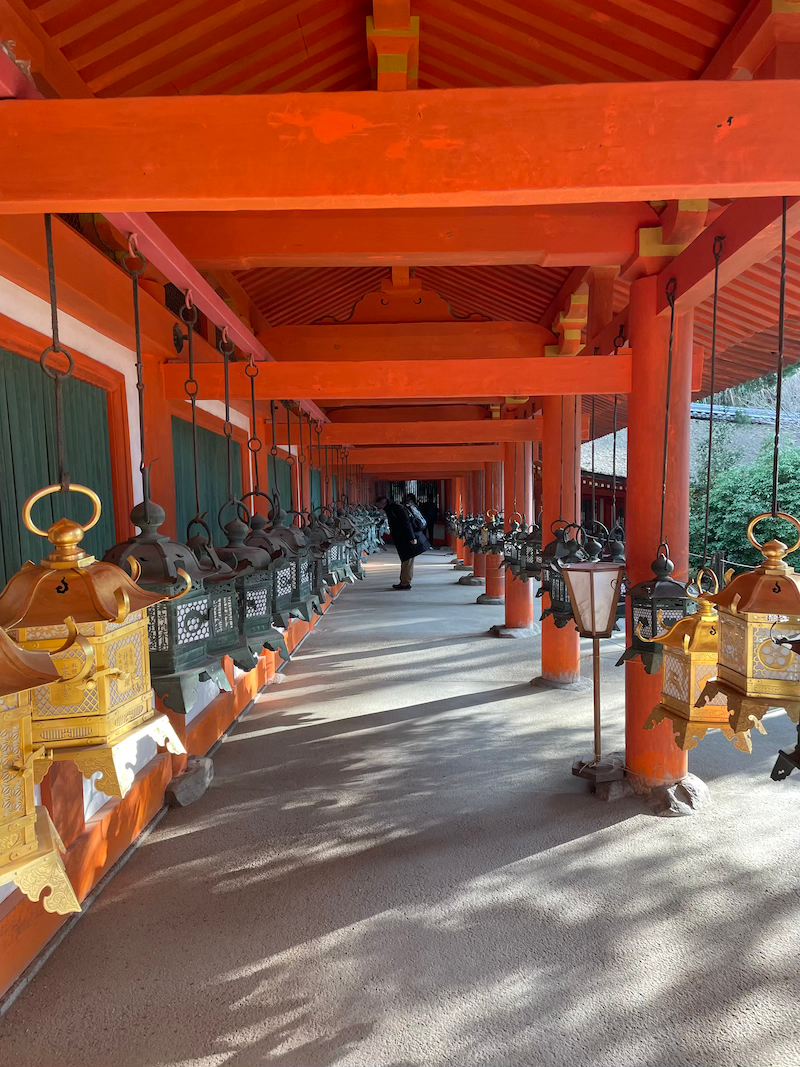
Beyond the well-known temples, Nara has hundreds of smaller shrines tucked away in lush forests. Many of these sit quietly behind Kasuga Taisha, along peaceful walking paths in the Kasugayama Primeval Forest area.
These spots feel almost timeless. You can stroll under ancient trees, admire stone lanterns, and sometimes encounter deer in a serene, meditative setting. It’s a wonderful way to slow down and feel the spiritual side of Nara that most day-trippers miss.

Joining a Small Group Tour Makes All the Difference
A small-group tour focused on temples, shrines, and the deer can turn a simple visit into something memorable. A good guide shares stories about the landscape, the history of the shrine, and how people and deer have lived together for over a thousand years. Instead of just walking through, you’ll feel like you’re truly connecting with Nara’s story.
How to Interact with the Deer Respectfully
The deer may seem tame, but they are still wild animals and deserve our care. Here are a few simple guidelines:
Only feed them shika senbei (official deer crackers) sold at authorized stalls in the park. These are made from rice bran and wheat flour—safe and easy for them to digest.
Never give them human food like bread, sweets, or vegetables, as it can harm their health.
Be gentle and patient. Let them bow for a cracker if they want to, but don’t tease them.
Treating them with respect helps keep both the deer and visitors safe and happy.
Why It’s Worth the Extra Effort
Nara beautifully blends the sacred and the natural. When you move away from standard sightseeing and explore with curiosity and care, you stop being just a visitor—you become part of a living tradition that’s centuries old.
Take time to choose a thoughtful small-group experience instead of a rushed bus tour. Walk the quieter forested paths behind Kasuga Taisha. Listen to the stories from a knowledgeable guide.
You’ll come away with intimate moments and a much deeper appreciation for this ancient capital.
Next time you’re in Nara, look beyond the main gates. Seek out the silence, respect the sacred messengers, and you’ll discover a side of the city that’s far more peaceful, mysterious, and rewarding than any guidebook photo can show.
Discovering the Real Magic of Nara’s Sacred Deer


Comments