Discovering Ikoma: A Hidden Gem with Ancient Roots and Colorful Stories
- Kana
- Apr 15
- 5 min read
Updated: 7 days ago
Nestled in the northwestern corner of Nara Prefecture, right on the border with Osaka, Ikoma City feels like a peaceful escape from the busy cities nearby. With about 117,000 residents, it’s a pleasant residential town today, but its history stretches back over a thousand years. From sacred mountain paths to a once-thriving temple town, Ikoma has layers of fascinating stories waiting to be explored.
Discovering Ikoma: A Hidden Gem in Nara
Ikoma is not just a city; it’s a journey through time. Each corner holds a story, and every path leads to a piece of history. As we explore this charming area, we uncover the rich tapestry of culture and spirituality that defines Ikoma.
Ancient Beginnings: A Mountain of Faith and Training
Ikoma’s story begins with Mount Ikoma, a scenic peak long revered as a place of spiritual power. As early as the 7th century (during the Asuka and Nara periods), the mountain served as a training ground for Buddhist monks. Ascetics practiced meditation, physical discipline, and mountain worship here.

The area has ties to legendary figures like the monk Gyoki (668–749), who is said to have founded or influenced several temples in the region. Ikoma Shrine also has very old roots, with connections dating back to the time of Emperor Yuryaku (5th century).
In the 17th century, the monk Hozan Tankai (1629–1716) played a key role in establishing Hozan-ji Temple (also known as Hozanji) on the slopes of Mount Ikoma. This temple became a major pilgrimage site, especially popular for its unique worship of Kangiten (a form of the deity often associated with prosperity and obstacle removal). Even today, many visitors climb the stone-paved approach to pray and enjoy the peaceful forest atmosphere.
From Quiet Village to Bustling Temple Town
For most of its early history, Ikoma remained a quiet, sparsely populated area with small villages and farming communities. Things changed dramatically in the early 20th century.
In 1914, the opening of Ikoma Station (now on the Kintetsu Nara Line) brought a big boost. A new, convenient approach road to Hozan-ji Temple was built, and suddenly many more pilgrims and visitors started arriving from nearby Osaka and Nara.
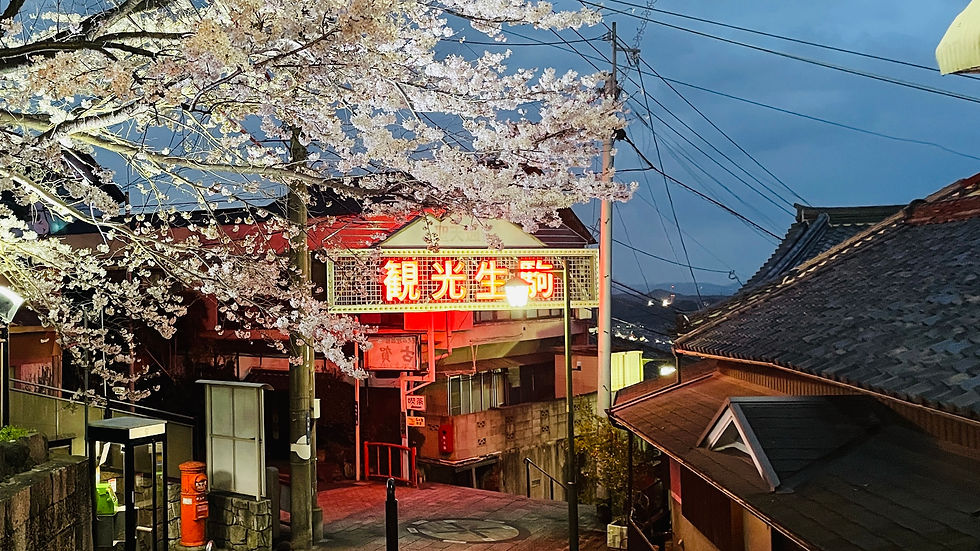
This surge in foot traffic led to the growth of shops, inns, and restaurants along the path. And that’s how Ikoma Shinchi (生駒新地), also sometimes called Hozanji Shinchi, came into being.

The Story of Ikoma Shinchi: A Unique Chapter in Local History
Around 1915, shortly after the station opened, influential figures from Osaka’s entertainment districts noticed the opportunity and began opening lodging houses (okiya) along the temple approach. What started as simple accommodations for pilgrims gradually developed into a lively entertainment area.
By the 1920s, Ikoma Shinchi had grown into one of the larger entertainment districts in the region, with many teahouses, restaurants, and related businesses. It became known locally as a place where visitors could enjoy meals, drinks, and company after their temple visits. At its peak in the Taisho and early Showa periods, it featured around 15 dispatch agencies, dozens of inns, and over 100 workers.
The area was closely tied to the temple’s prosperity. Pilgrims would visit Hozan-ji during the day, and the lively atmosphere continued into the evening. Ikoma Shinchi even had its own dance hall for a time, adding to the vibrant energy. Like many similar districts across Japan, it faced challenges during World War II and after the Prostitution Prevention Law took effect in 1958. The nature of the businesses changed over time, and today only a small number of traditional-style inns (often called “chon-no-ma” in local context) remain active. The area has become much quieter, blending into the everyday life of the temple approach. Many locals and visitors now see it simply as part of the historic street leading up to Hozan-ji.
Modern Ikoma: Nature, Fun, and Everyday Charm
While the old entertainment district is a small footnote in its long history, Ikoma today offers much more to enjoy:
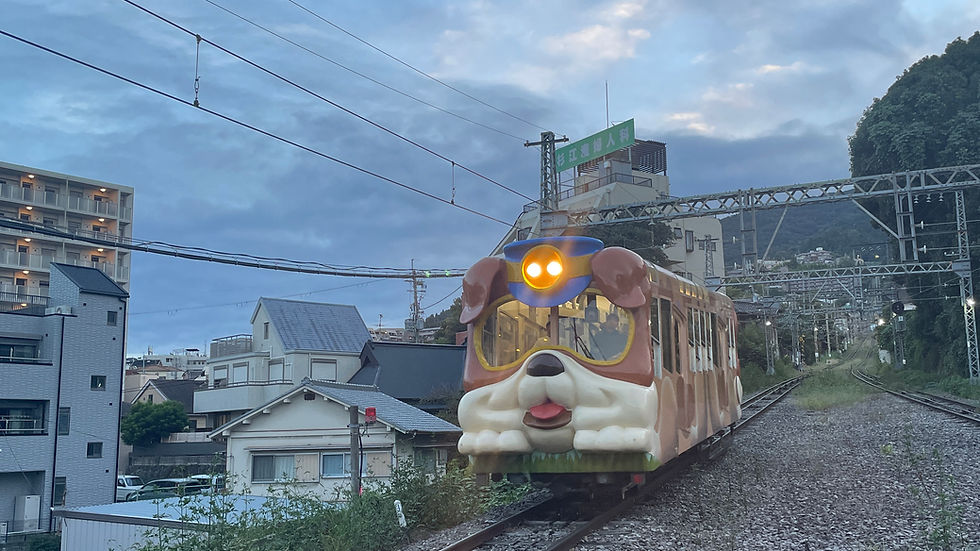
The Ikoma Cable Car — Japan’s oldest commercial cable car line (opened in 1918/1928), it’s a cute and nostalgic ride up the mountain with beautiful views.
Ikoma Sanjo Amusement Park — A retro family-friendly park at the top with rides, a monorail, and panoramic views over the Osaka Plain and Nara Basin on clear days.
Traditional Crafts — Nearby Takayama has been producing high-quality chasen (bamboo tea whisks) for over 400 years — essential tools for the Japanese tea ceremony.
Nature and Hiking — Peaceful forest trails, seasonal flowers, and stunning vistas make it a great spot for outdoor lovers.
Ikoma was also selected as an “eco-model town” in 2014, showing its commitment to sustainable living in a green, mountainous setting.
Why Ikoma Feels Special
What makes Ikoma unique is how layers of history sit side by side: ancient Buddhist training grounds, a beloved pilgrimage temple, a brief but lively period as a temple-town entertainment spot, and now a relaxed modern community with family attractions and natural beauty.
Whether we come for the spiritual atmosphere of Hozan-ji, a nostalgic cable car ride, or just to stroll the old stone paths and enjoy the views, Ikoma offers a gentle, authentic slice of Japanese life that many travelers overlook.
Next time we’re in the Nara-Osaka area, why not hop on the train to Ikoma? Climb the lantern-lined path to the temple, ride the charming cable car, and take a moment to appreciate how this quiet city has quietly woven faith, nature, and human stories together for centuries.
How to Get to Ikoma from Osaka Namba: Easy Train Guide
One of the best things about visiting Ikoma is how quick and convenient it is from Osaka! If we're staying in central Osaka (especially around Namba, Dotonbori, or Shinsaibashi), we can reach Ikoma in about 17–30 minutes by train. No need for complicated transfers — it’s a straightforward ride on the Kintetsu line.

The Simplest Way: Kintetsu Train from Osaka-Namba
Head to Osaka-Namba Station (Kintetsu): Look for the Kintetsu Namba Station (not JR Namba). It’s located right in the heart of Namba, connected to the underground shopping areas and very easy to find. If we're coming from the subway, follow signs for Kintetsu Line.
Take the Kintetsu Nara Line toward Nara: Board a train heading to Ikoma or Kintetsu Nara.
Recommended: Rapid Express or Express trains (they skip some stations and are faster).
Regular local trains also run frequently. Trains depart every 5–10 minutes, so we rarely have to wait long.
Ride Time & Cost:
Travel time: About 17–30 minutes to Kintetsu Ikoma Station.
Fare: Around ¥420–550 one way (depending on whether we take a regular or limited express train). We can buy tickets from the ticket machines or use an IC card like ICOCA, Suica, or Pasmo for a smoother experience.
Get Off at Kintetsu Ikoma Station: This is our main arrival point. The station is small and friendly — perfect for a relaxed start to our day.
Once We Arrive at Ikoma Station
To Hozan-ji Temple (the main highlight): The temple is about a 20–30 minute uphill walk from the station along a charming stone-paved path lined with old shops and lanterns. Easier option: Take the Ikoma Cable Car!
- Walk 1–2 minutes from Ikoma Station to Toriimae Station (right next door, connected by a footbridge).
- Ride the cute cable car up to Hozanji Station (short and scenic ride, about 5–6 minutes).
- From there, it’s only a 10-minute walk to Hozan-ji Temple. Cable car fare is reasonable (around ¥260 one way — check current prices on site).
To the top of Mount Ikoma: Continue on the cable car from Hozanji Station to Ikoma Sanjo Station. At the summit, we’ll find the retro Ikoma Sanjo Amusement Park, stunning panoramic views over Osaka and Nara.
The journey itself is part of the fun — we’ll quickly leave the bustling city behind and start seeing greener hills as we approach Ikoma. Whether we’re coming for the sacred atmosphere of Hozan-ji Temple, a nostalgic cable car ride, or just to enjoy the mountain views, getting here from Namba is refreshingly simple and stress-free.


Comments